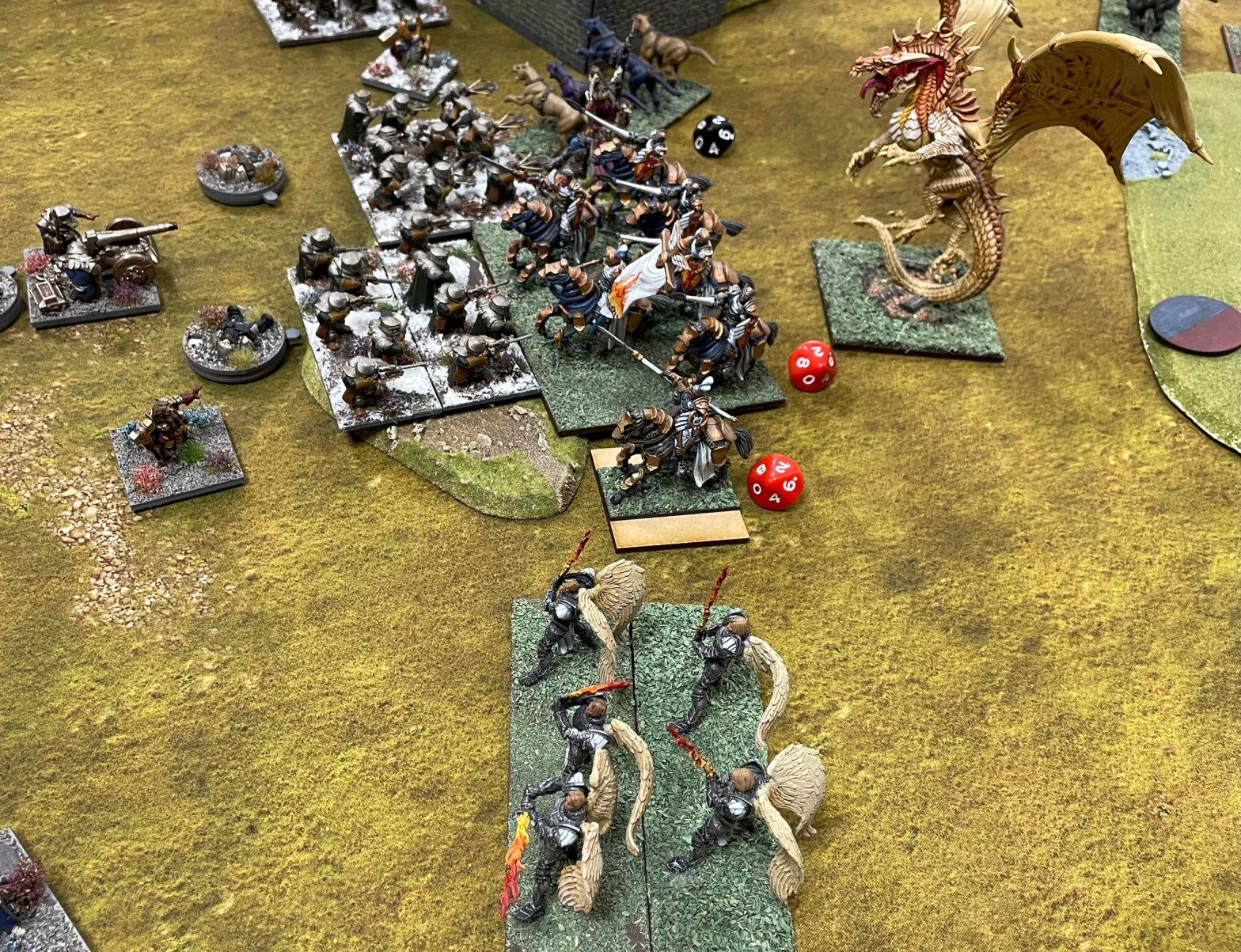
I’ve mentioned a few times over the last couple of years that I was unhappy about my Basileans. There were a lot of minor contributing factors that just meant I lost interest in playing them. A big one of those was that having played a competitive alpha strike list for a while I really wanted to settle into something a bit more thematic and narrative.
In my mind’s eye I’ve always seen Basilean armies being based around their men-at-arms and knights, with the odd Elohi or Phoenix to support. Not only that, but I have a retired priest character, Sha’leis, who had several intriguing adventures at the beginning of third edition who I’d quite like to bring back into the fray. Happily, the new army lists require players to put humans on foot at the heart of your lists, and this appealed.
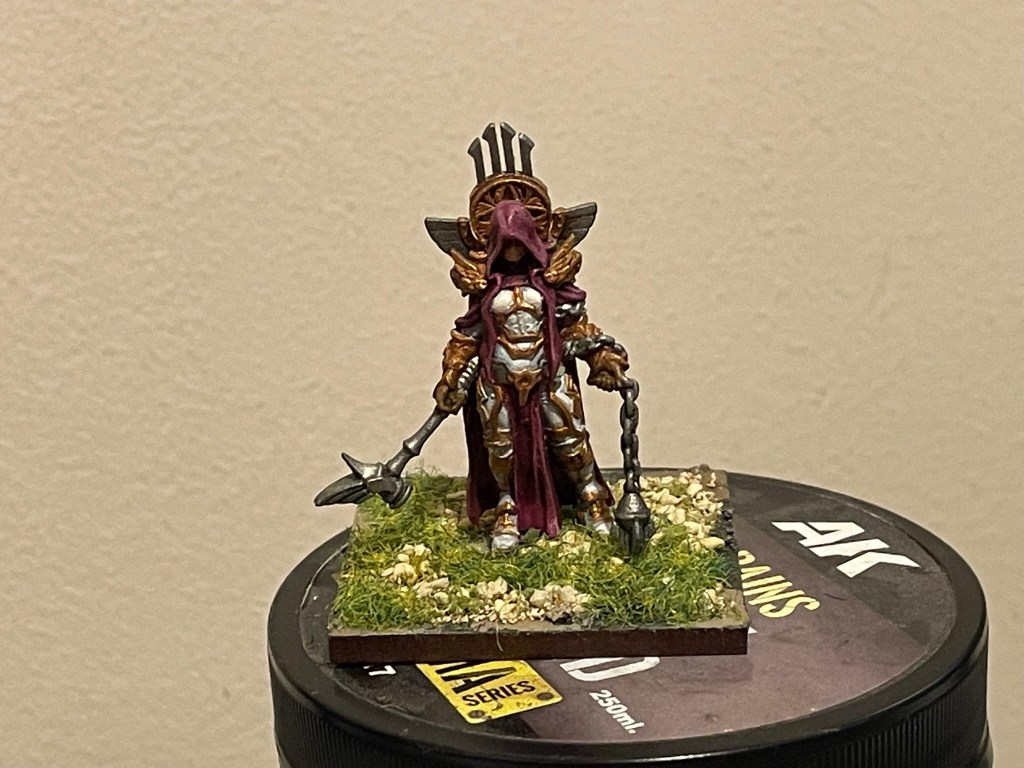
Of course, this means I’ve given myself a bit of an uphill struggle from the outset because of the three armies I own, this is the only one that requires units adding in order for me to get it onto the table. It’s also quite battered and has been very unloved for a while. Fortunately, I have a couple of regiments of generic human infantry painted up that meant I could at least field a painted army for my very first game.
Approaching list building
After a brief reading of the rules and watching a couple of battle reports on Death By Dragons I felt that, with the exception of shooting, things hadn’t changed so much that there was a pressing need for me to deviate from the guidelines I’d followed when army building in third edition. Over the past couple of years I’ve found reasonable success by sticking to a rule of thumb where I will only pick a maximum of 4 units that cost 200 points or more, 3 of which should be really punchy. The rest of the army should have a bit of shooting, a bit of healing and a decent number of drops.
For the core I decided to go for a horde of spears and 2 regiments of swordsmen. Yes, this was partly because I had the models painted, but I also think it’s an efficient way to get some bodies on the table and they open up plenty of options in what has traditionally been a fairly elite force. The next choices were 2 troops of Gur Panthers, amazing chaff before and I can’t see them being anything less than that now.
The big hitters were up next. I love knights and in particular the new mounted paladin sculpts, I just need to get them painted. I like what has happened to heavy cavalry in the new edition, I want them to be good, so I decided to start out with 2 regiments, 1 with Sir Jesse’s Boots, and then the iconic Elohi. The angels are now pretty monstrous and will only benefit from having a Brew of Strength. Now I needed to allocate the final points.
Characters went next. I’ve always loved priests, I think they are really versatile support pieces for infantry, and as I mentioned I wanted to get my narrative character back on the table. Support comes best in the form of strength and healing, so Sha’leis took healing and Banechant.
Thematically I think High Paladins are fantastic, and their new stat line is interesting. An additional attack and thunderous charge 2 when on a horse should give him a bit more umph in combat, and I thought his commands would be a helpful source of healing for the mounted paladins, so much so that I decided to provide him with the Banner of Command for extra healing and maybe a shot at elite.
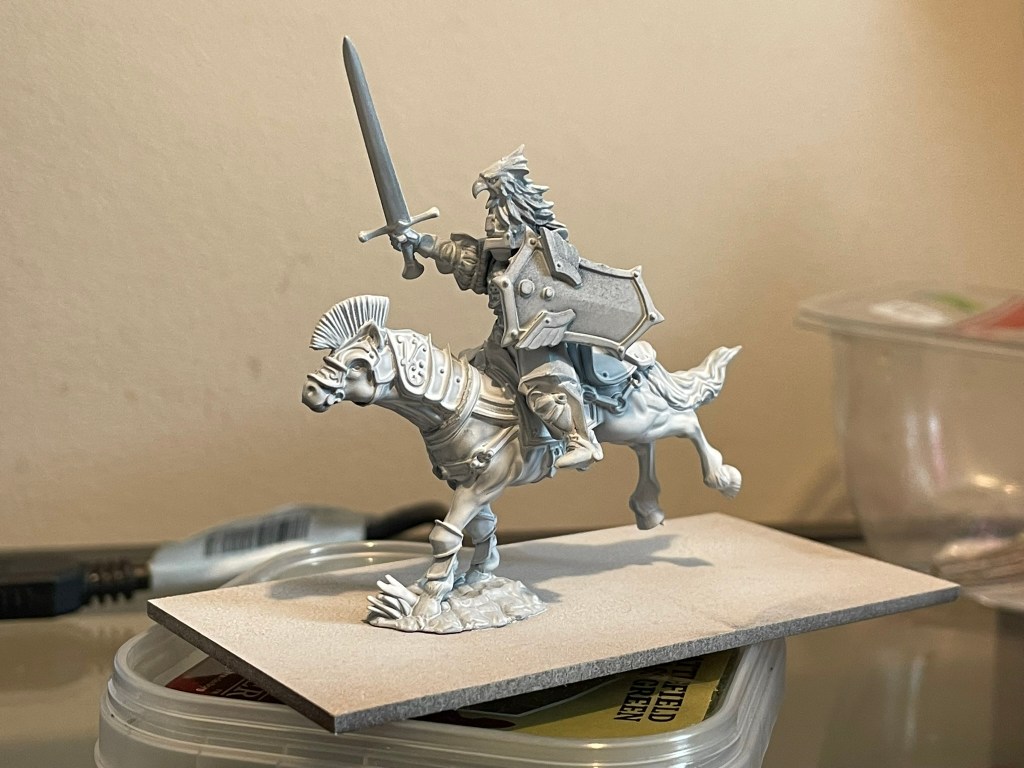
One difficult choice was between the Dictator and the Ogre Palace Guard Captain. I really like the Dictator model and am a massive fan of rallying, however given I was intending to bring a couple of Phoenixes I felt there was quite a lot of healing in the army and rallying was unlikely to add much. The ogre’s better movement and extra point of nerve won out in the end. Finally, after the 2 Phoenixes were added I had enough for a troop of Sisterhood Scouts, which became a requirement to ensure I had the right number of unlocks to have 3 characters and 3 support units.
The first game
This was an interesting kick off as it was against a Dwarf army with a rather large amount of shooting, spread across 17 drops. I’ve never bought into the idea that shooting is not going to be effective, it still has a role, and playing this sort of army I worried shooting might impact my ability to deliver effective charges by wavering units and generally blocking things up.
Fortunately, this didn’t happen because of the sheer volume of healing in the army, but without that healing things would have been very different. My own shooting had a great couple of turns, taking an Ironclad regiment to waver before a troop of Gur Panthers nimbled their way around a wall to deliver the knockout blow with a single extra point of damage.
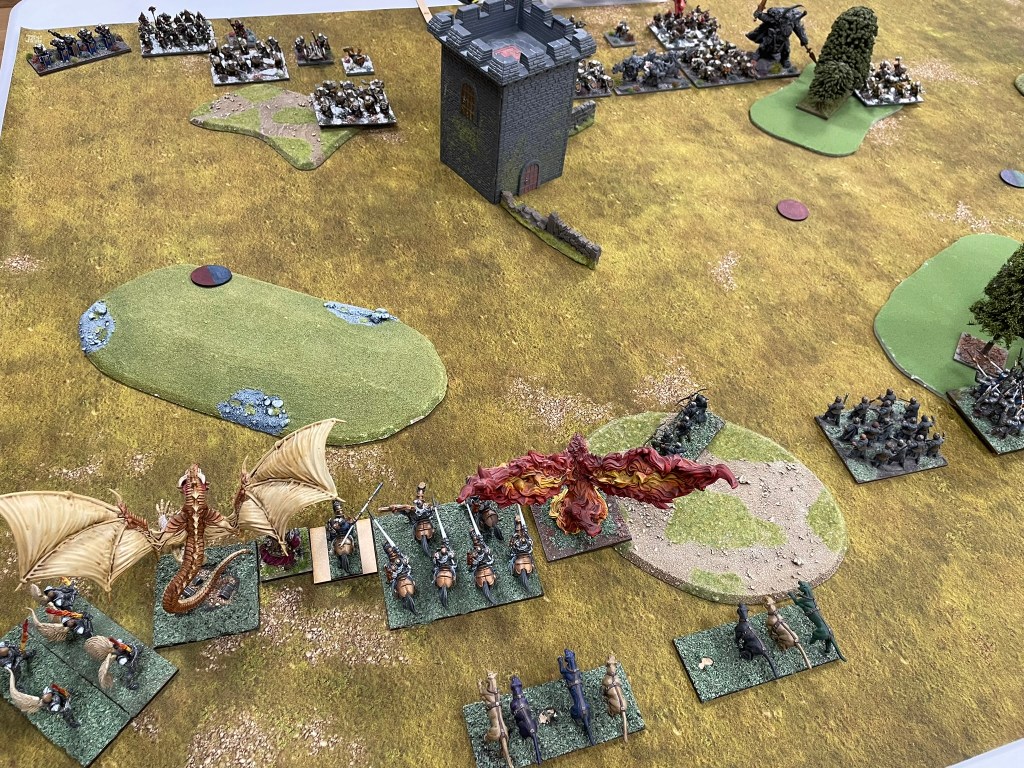
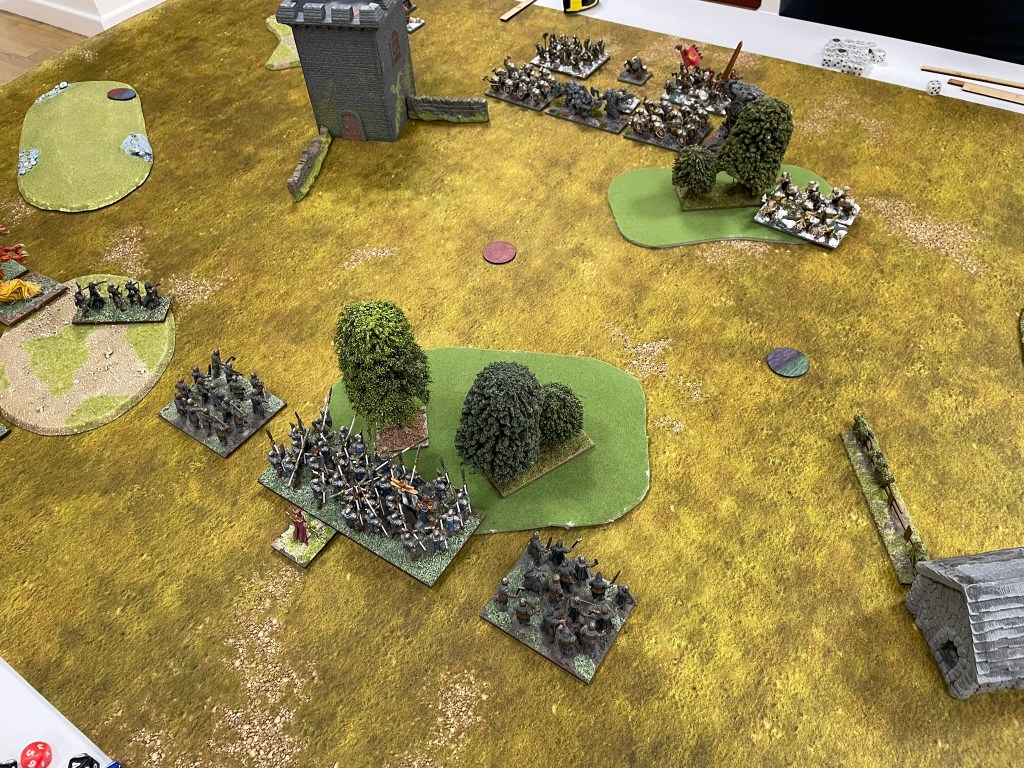
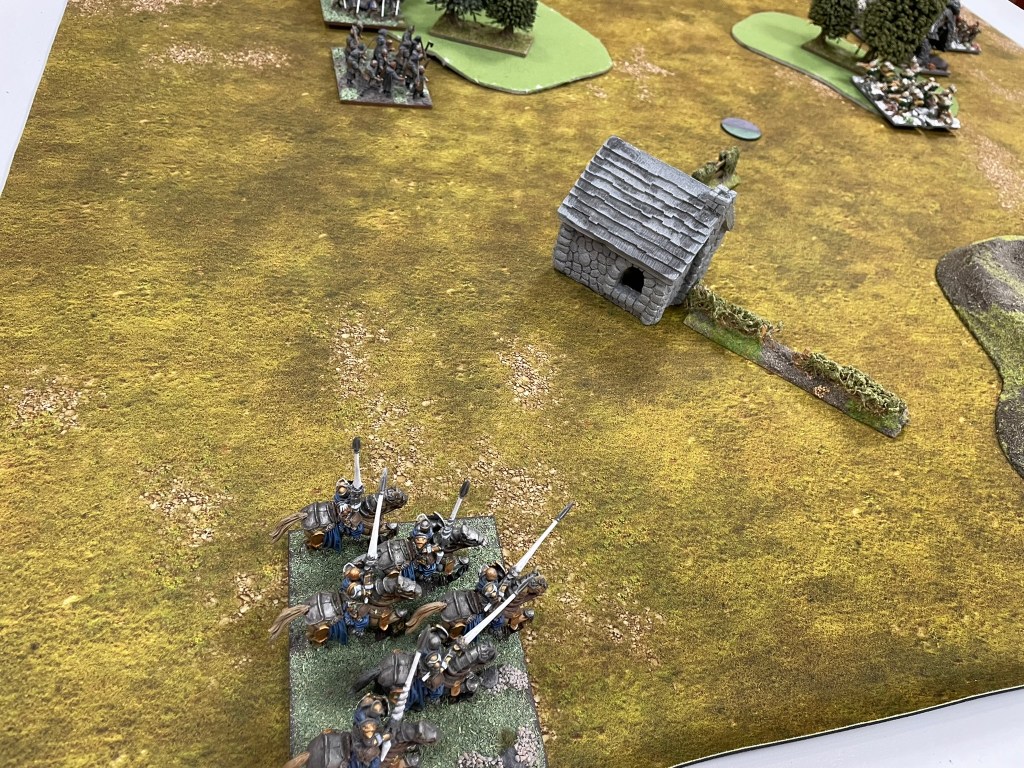
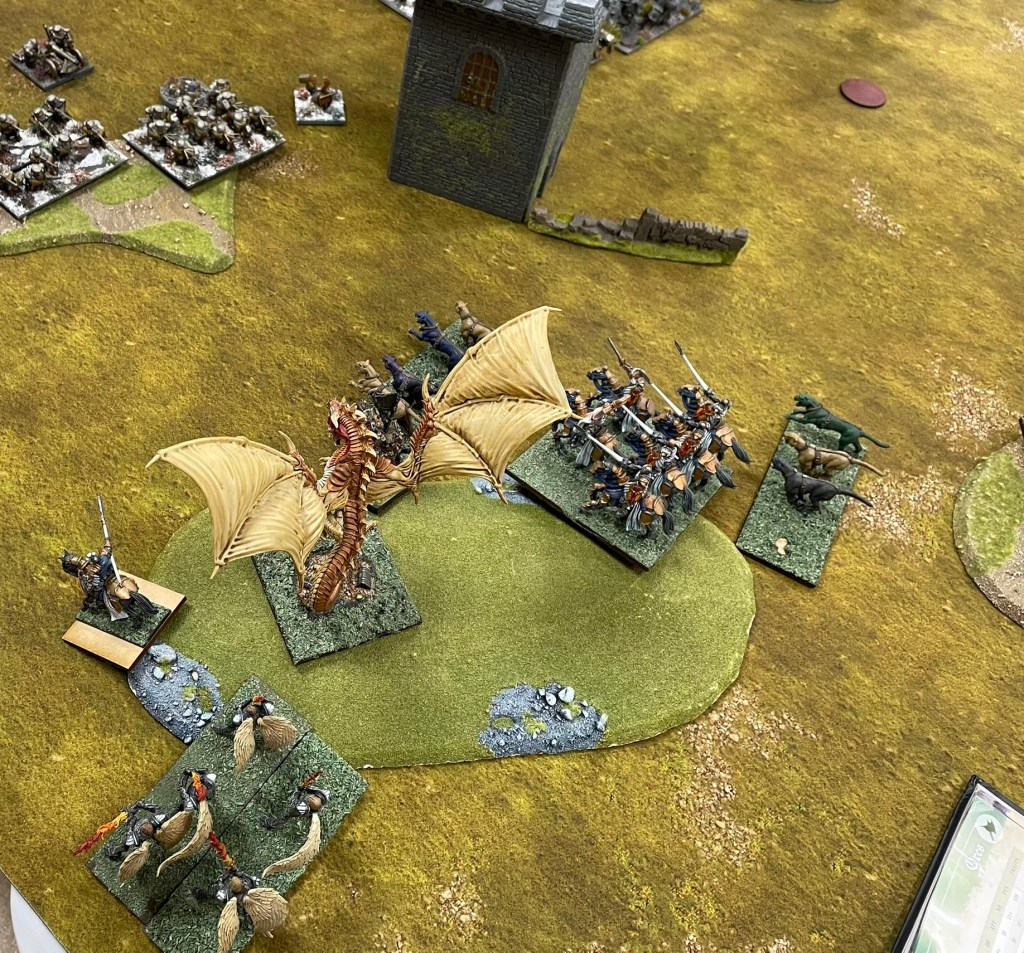
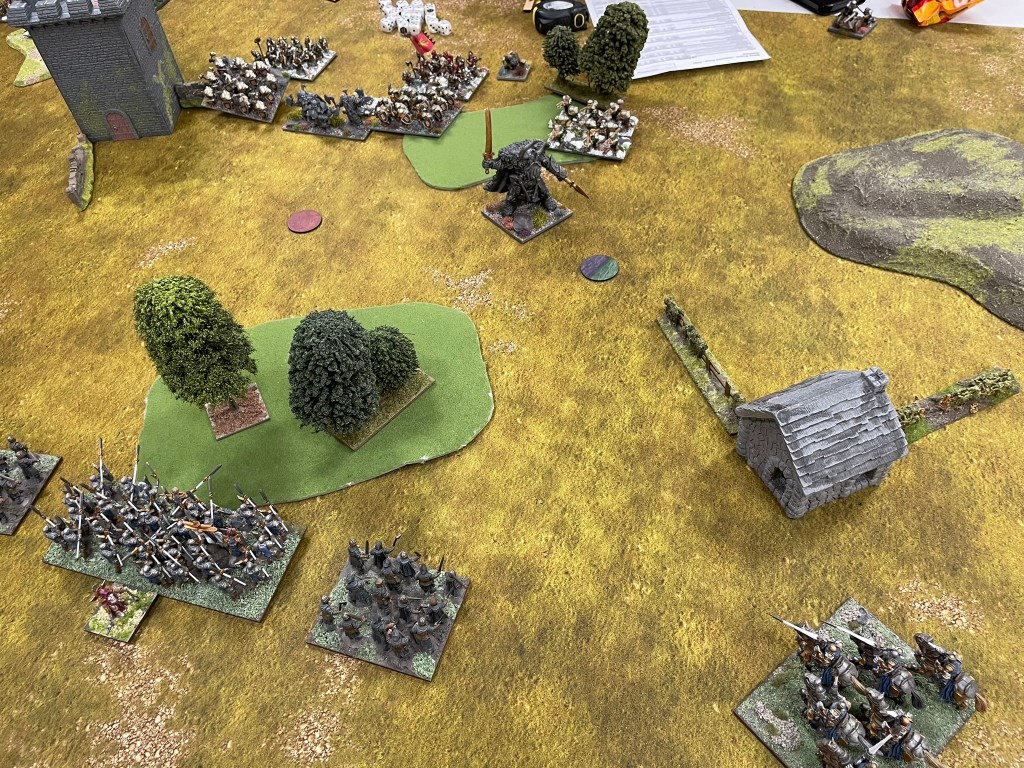
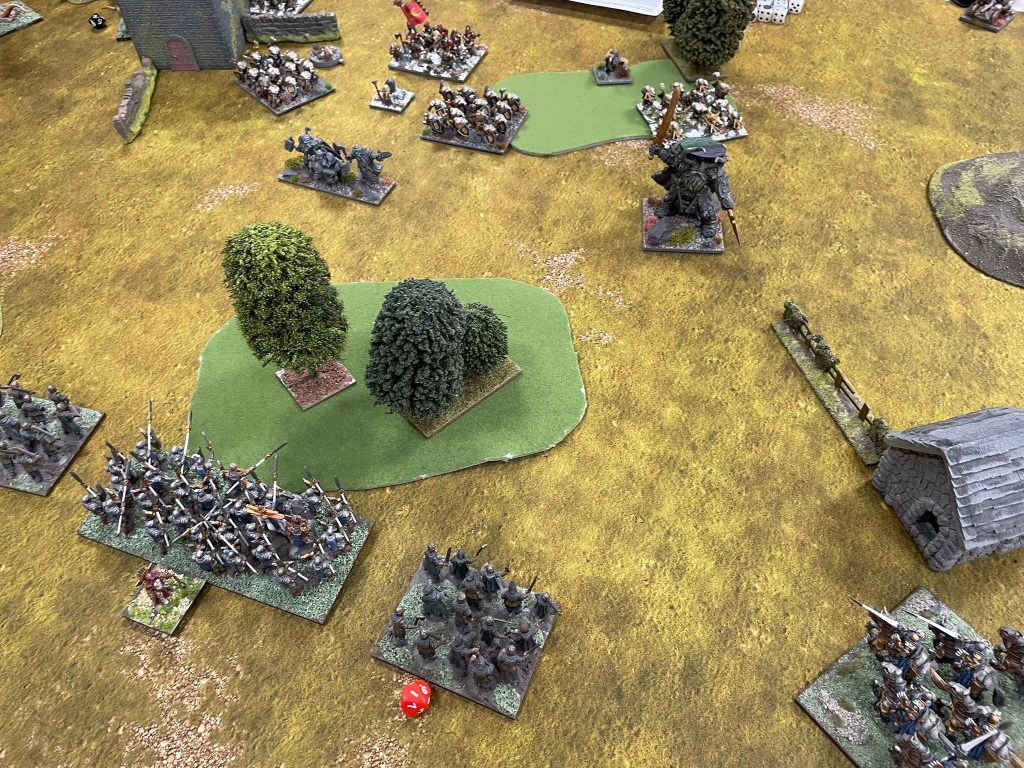
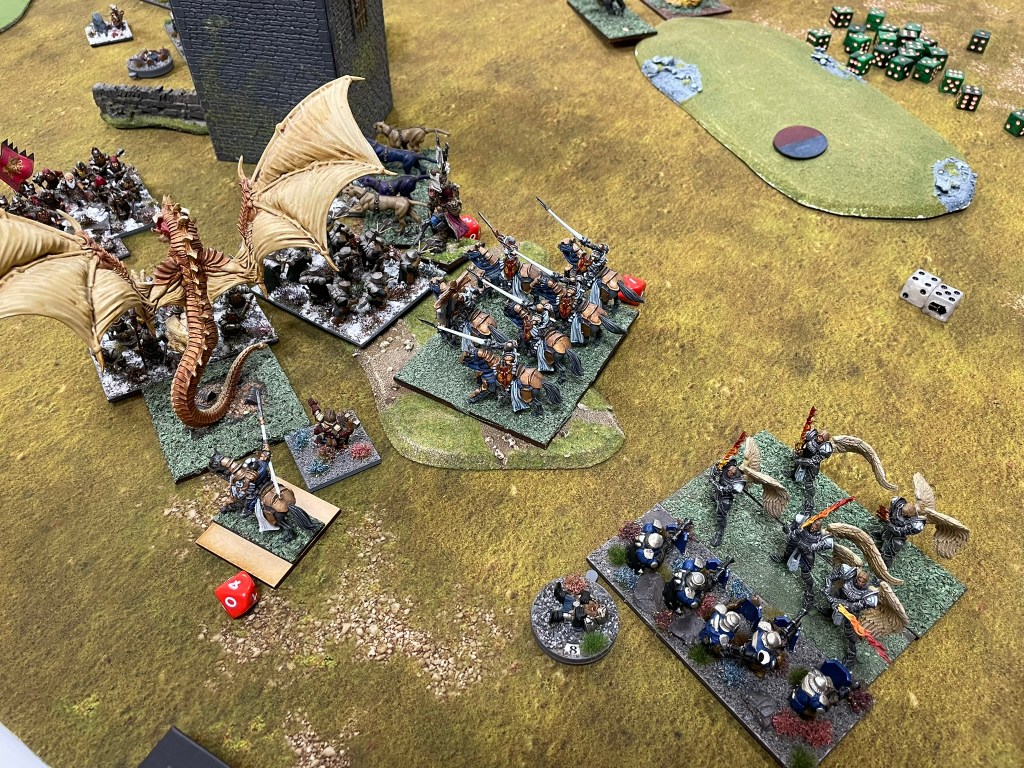
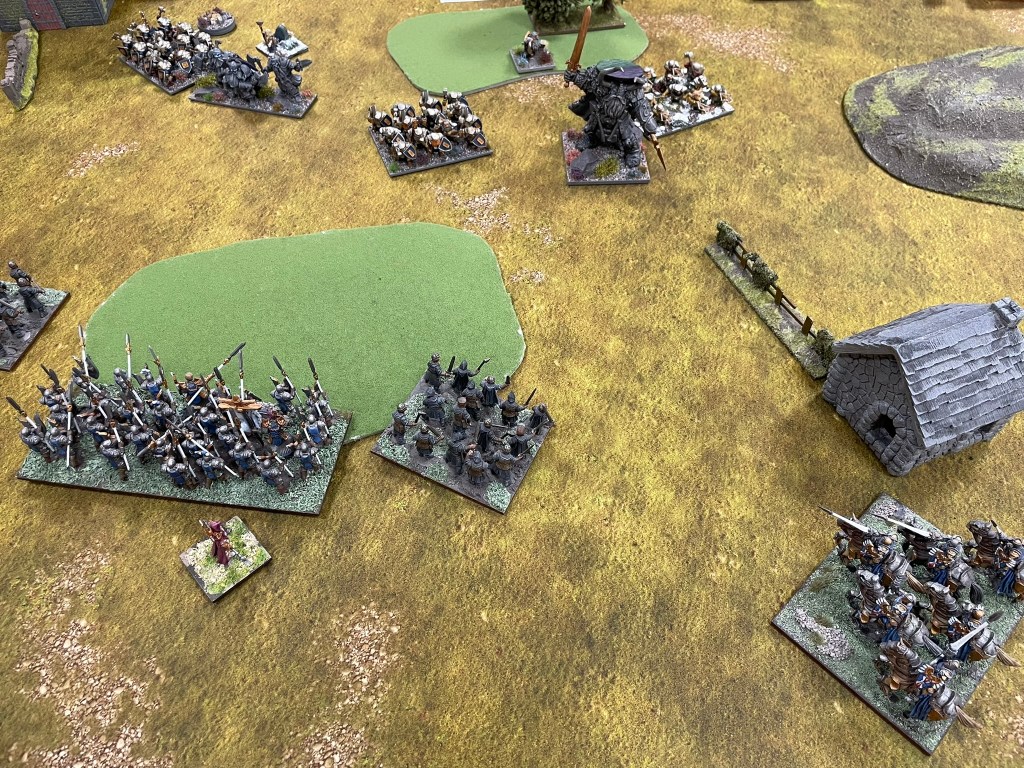
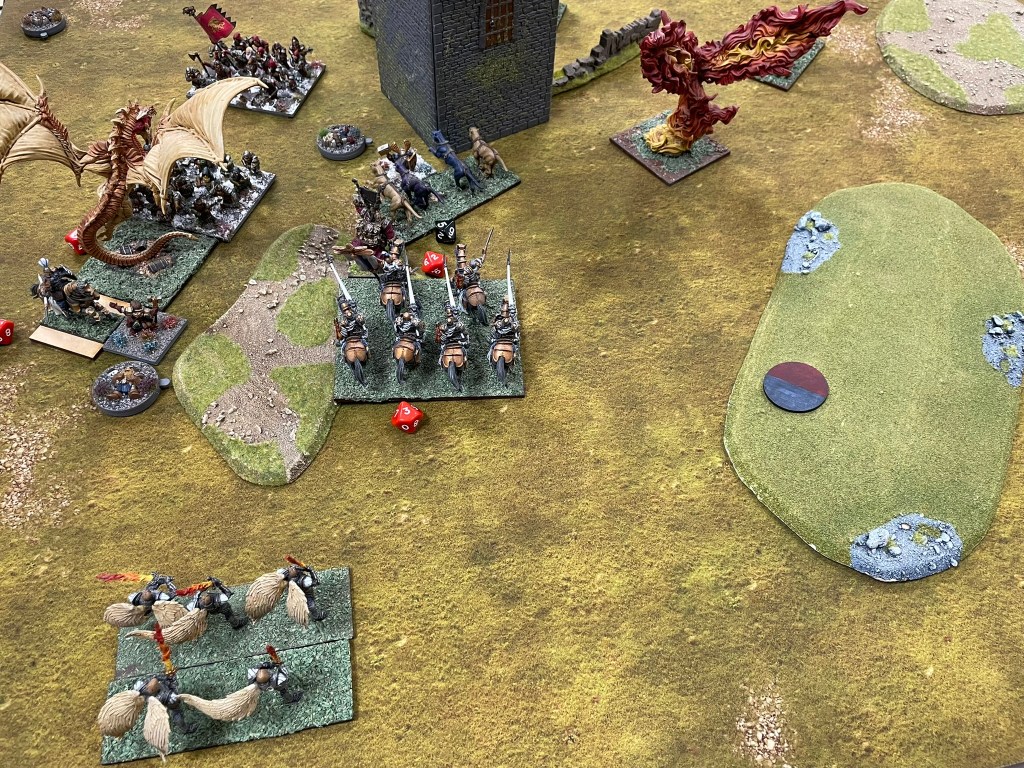
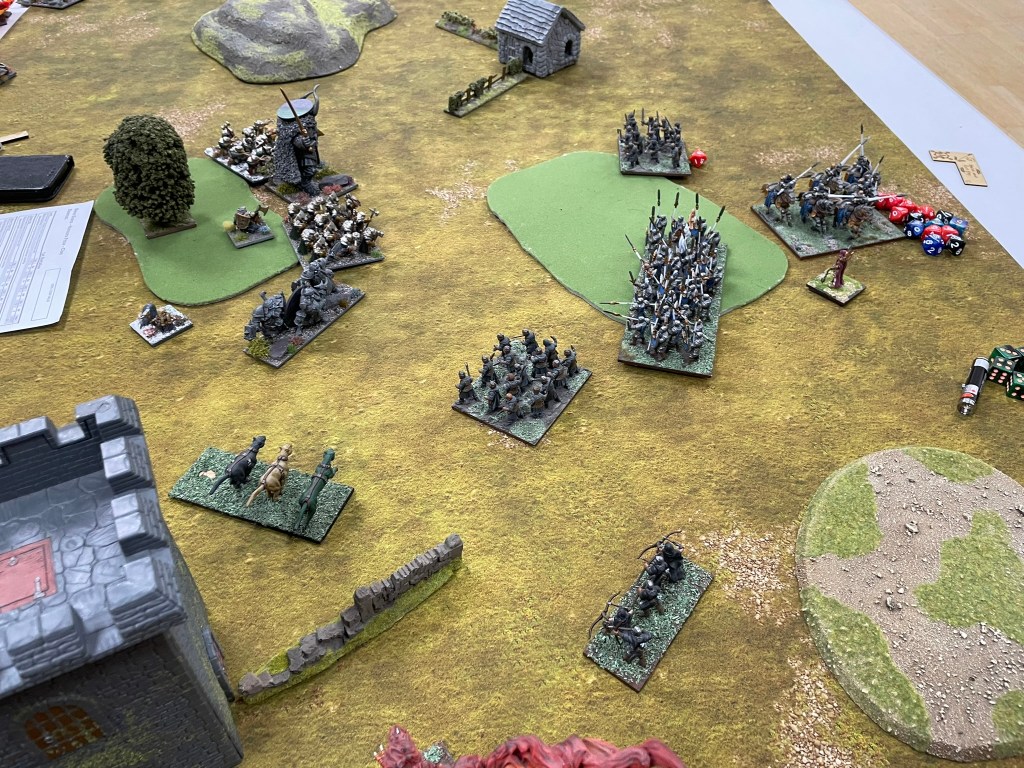
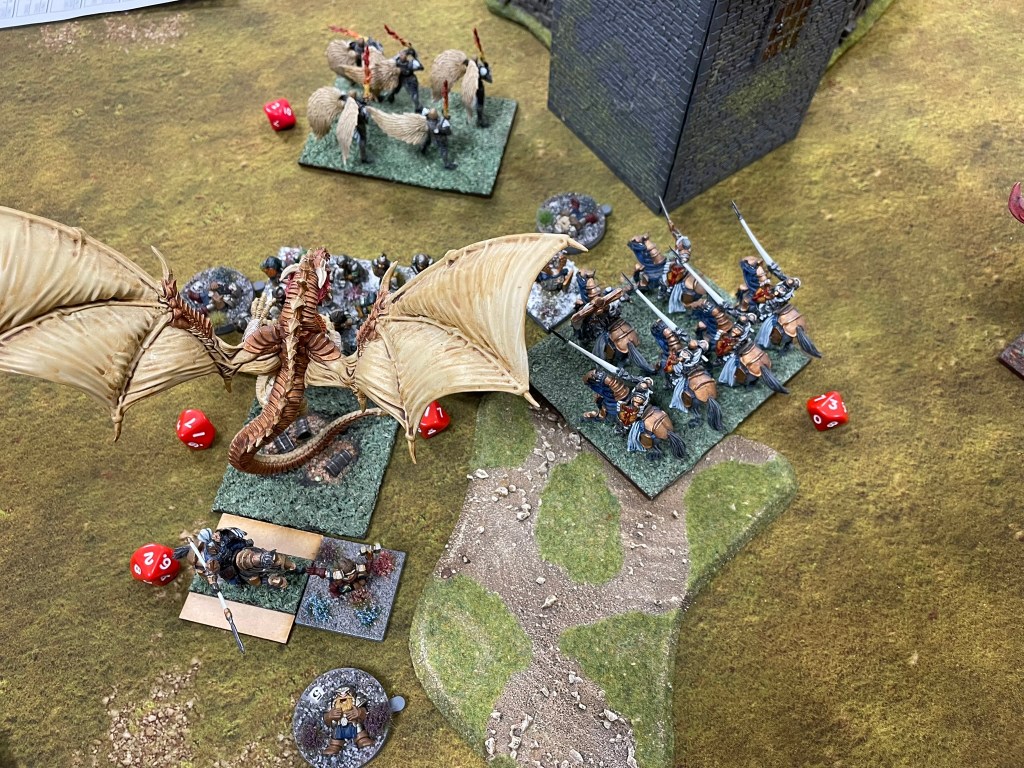
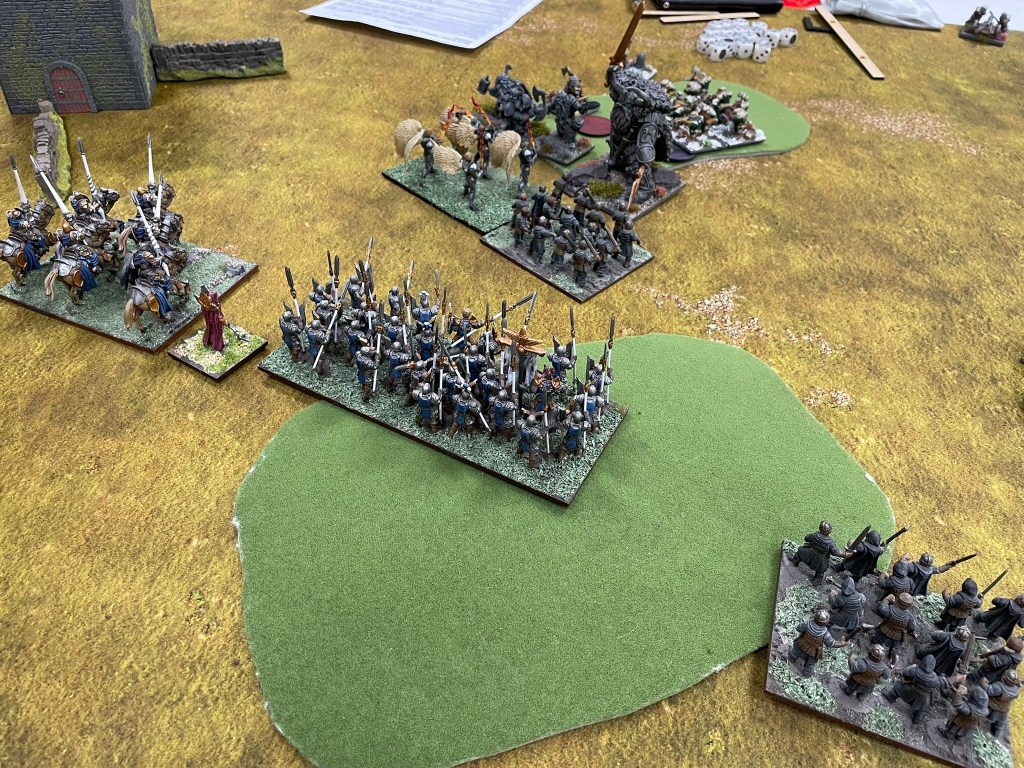
Sticky combats were easy enough to navigate and felt oddly familiar. I tried out a withdraw movement that led to a Gur Panther troop routing but allowed the Elohi to execute a flank charge on another Dwarf regiment. All in all, I was pretty happy with my list. The Elohi carved their way through 2 regiments of Shieldbreakers, 1 troop of Sharpshooters (which took 2 turns with the obligatory double 1 on the first nerve test) and 1 regiment of Ironclad.
The Phoenixes were also brilliant, impossible to shift and utterly annoying. I also thought the High Paladin put some fantastic work in turning the mounted paladins into a damage sponge. In fact, so resilient was the army that I only lost 1 troop of Gur Panthers to my opponent’s forces, whilst I deleted 11 out of his 17 units. Unfortunately, a poor decision on charges (made by me) gave him the all-important scenario victory.
It was a massively fun game, with only two slight issues that were both army related. The first was the elite command order, which was hard to get off. Despite having a character with 4 command dice I only managed to bring it into play once, and that was a lucky roll from the Ogre Captain. My issue with this is simply that it makes the command unreliable, which is a bit frustrating. The other issue was with the heavy cavalry, whilst the additional attacks and thunderous charge make it appealing, the impact of being hindered feels like a much bigger punishment. I’m going to stick with my paladins with the boots, but I am going to give some thought to swapping the other regiment out for Ogre Palace Guard.
I’ve provided some pictures from the game, but none from the army, as I intend to refresh the entire thing, possible with a view to taking it to Clash of Kings in September, so there’ll be plenty of time to share progress in later posts.
To keep up with what’s going on you can follow @wizards_bookshelf on Instagram and Threads or drop you’re email below to subscribe.
 The Wizard's Bookshelf
Great article! Really nice talk through, and the minis look great – fantastic painting.
LikeLike
Thanks Mark, really looking forward to forth.
LikeLike